|
Interview Syrinx Call (Volker Kuinke, Doris Packbiers) "With the two-part concept album Mirrorneuron, we finally arrived musically where we wanted to be" (May 2026, text Henri Strik, edited by Peter Willemsen, pictures provided by Volker Kuinke) Syrinx Call is a German progressive rock project led by flautist and recorder player Volker Kuinke. They are based in Düsseldorf, and the project is known for its unique use of several recorders, blending medieval and classical influences with progressive rock. So far, they have released four studio albums: Wind In The Woods (2015), The Moon On A Stick (2018), Mirrorneuron (2021) and its successor Mirrorneuron 2 (2026). These albums often explore cinematic and conceptual themes. The latest release concludes the conceptual story of the characters Kai and Mara. In the opinion of the editorial board of Background Magazine, this musical project does not receive the attention it deserves outside Germany. For that reason, we like to put them in the spotlight, and asked Volker and his wife Doris Packbiers about the origins of the project, its development, and especially the outstanding concept of both Mirrorneuron albums. Congratulations with delivering an excellent album! Would you please tell us a bit about the history of Syrinx Call, and how did you come up with the name? Volker: "Thank you so much for the compliment! Our debut album Wind In The Woods, which highlighted the recorder from a completely unusual and surprising perspective, was released in late autumn 2015. The album received a great deal of positive feedback from the press and listeners alike. With the track The Castle,
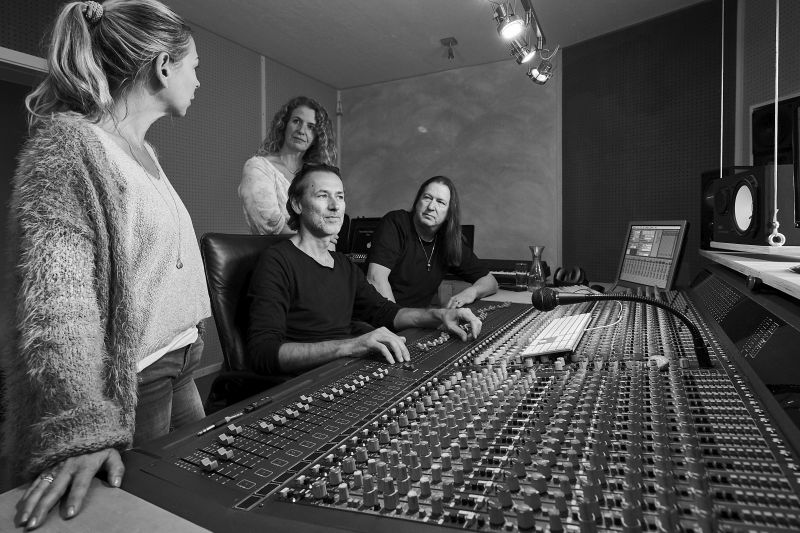
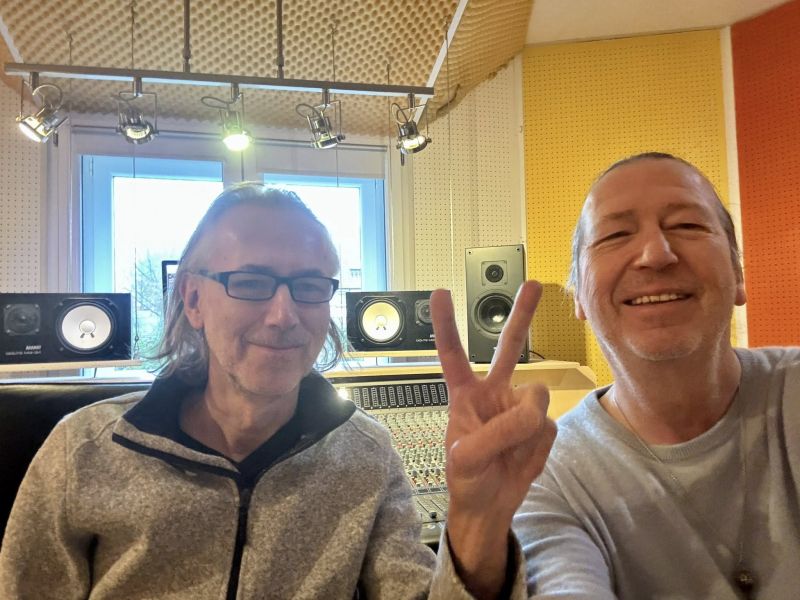
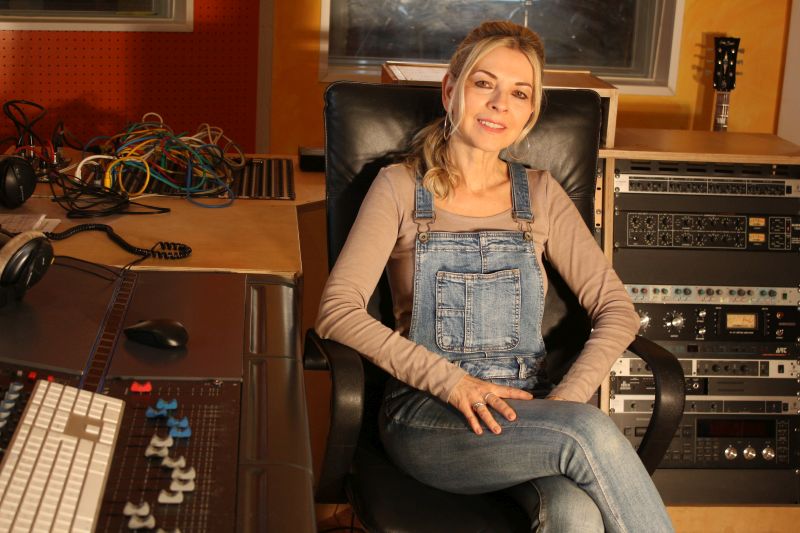
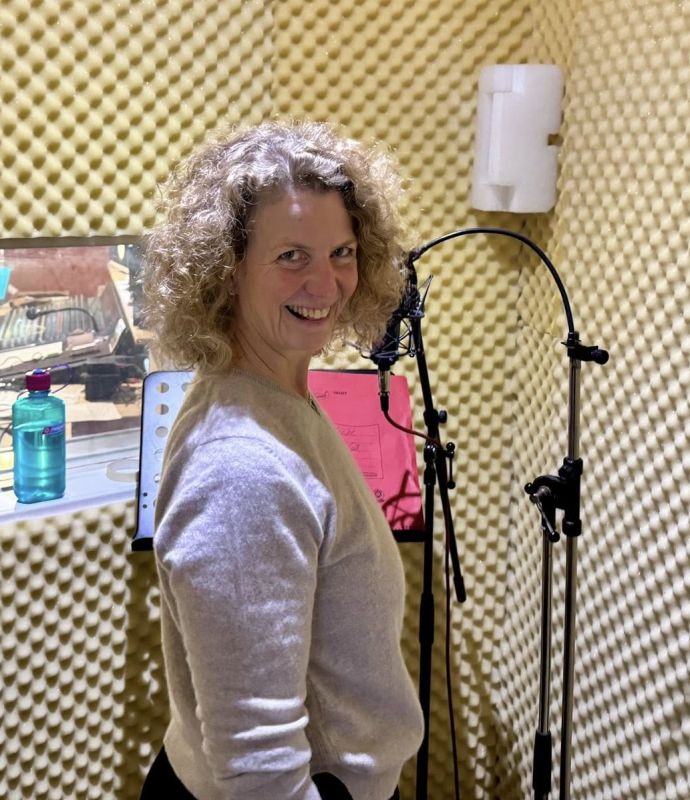
While searching for a melodic name for the project, Doris and I came across the following section of a Wikipedia article: 'In Ovid's 'Metamorphoses', the nymph Syrinx spurns the love of the shepherd god Pan. Fleeing from him, she is transformed into reeds at her request. When the breath of the frustrated Pan passes through the reeds, a poignant sound is created. Pan then cuts some reeds, makes his own pan flute with the help of wax, and plays his songs on it.' We felt that this description fit our music perfectly, and so we decided to base our project name on it." Would you introduce the band members of Syrinx Call? Volker: "Syrinx Call consists of the singer and Echo Award winner Isgaard, the multi-instrumentalist and producer Jens Lueck, my wife Doris Packbiers, also a singer and psychiatrist, and myself Volker Kuinke on various recorders." | ||||||||
| ||||||||
| L to R: Isgaard standing, Doris Packbiers standing, Jens Lueck sitting, Volker Kuinke sitting | ||||||||
|
In 2021 you released the concept album Mirrorneuron. What does the title mean, and can you explain the story of this musical concept ? Doris: "Mirror neurons are special nerve cells that are probably responsible for our ability to feel empathy. This ability is, of course, incredibly interesting. I had suggested the term for a song on the second album The Moon On A Stick. Jens and Volker liked it so much, that it became a concept album. I wanted to write a story about empathy and linked it to current questions surrounding AI. We humans are quick to personalize things like cars, pets, stuffed animals, etcetera. We'll also personalize humanoid robots and develop feelings for them. However,
Five years later you decided to release Mirrorneuron 2? Had the story not ended yet? Doris: "Initially, the plan was open-ended, and the success of Mirrorneuron made us want to make a sequel. The ending of the story was also open. It's not so easy to continue a story and still reach a conclusion. Among other reasons, it took time before we produced the follow-up album to Mirrorneuron 1. I wanted to highlight a clear difference and pushed the theme even further. Ultimately, two things were important to me: our human laughter, which AI probably can't replicate well for a long time, and the ability to take a step back and simply not think." On the album you have several guest musicians playing the guitars and basses. Who are they? Have you ever considered adding a bassist and a guitarist to the lineup of the band? Volker: "So far, the four of us are the core of Syrinx Call. On the first album, my brother Eckhard Kuinke
How did Frank Bornemann get involved in the project? Why did he only play on the track ...And Now on Mirrorneuron 2? Volker: "Frank Bornemann and I have been close friends for ages. So, it seemed only natural for me to ask him if he would like to contribute something to our album. Frank has so far only played for Syrinx Call as a guest musician, that I consider a great honour. As he's extremely busy, I'm glad he has recorded anything for us at all..."
Volker: "Katja Flintsch and Annika Stolze are two classically trained musicians who play in orchestras and give music lessons. Jens know them well and he also collaborates with them on other music projects. It's remarkable how thrilled they always are when I contact them and tell them we're planning to record another Syrinx Call album. They're big fans of our music and they always participate enthusiastically!" Two members of the lineup are also members of Single Celled Organism. Aren't you afraid that both bands will sound about the same? Not that I care since both acts create excellent music. Volker: "Of course, the common thread running through Single Celled Organism, the music project Isgaard, and Syrinx Call is Jens Lueck! You'll hear his signature style throughout, which I don't mind at all. All three projects have their own distinct style and unique characteristics."
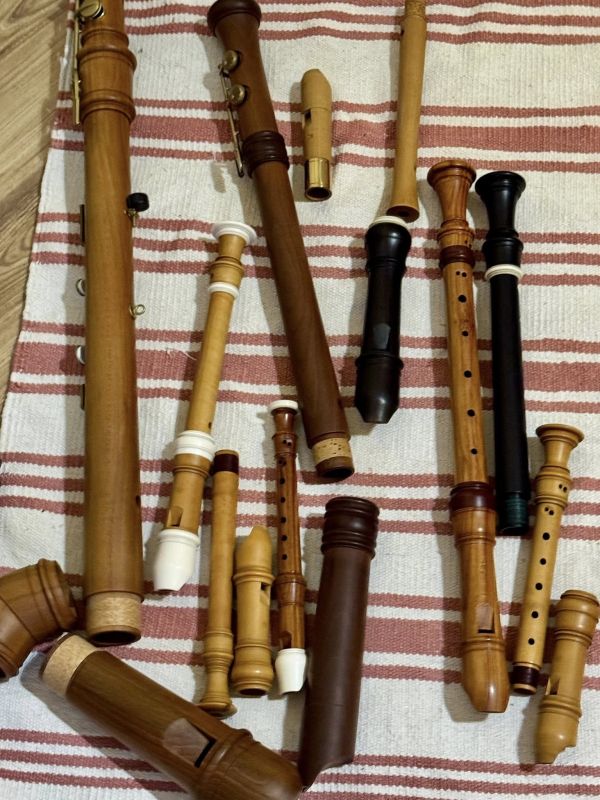
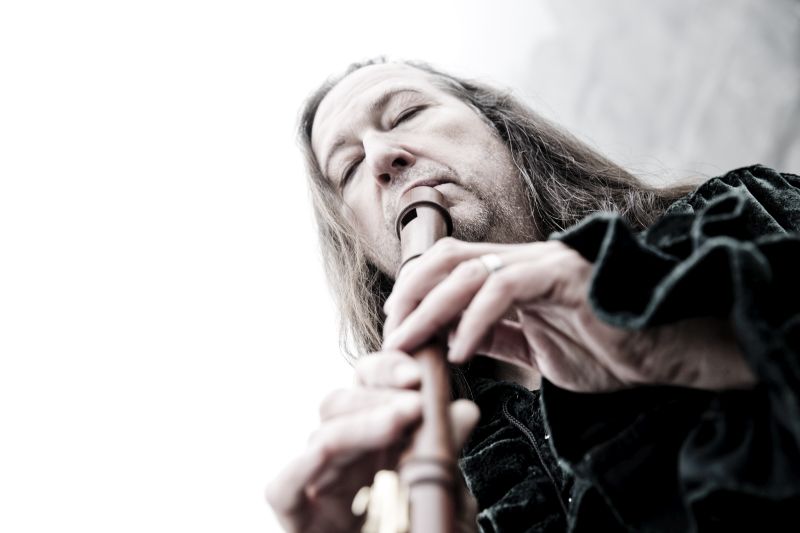
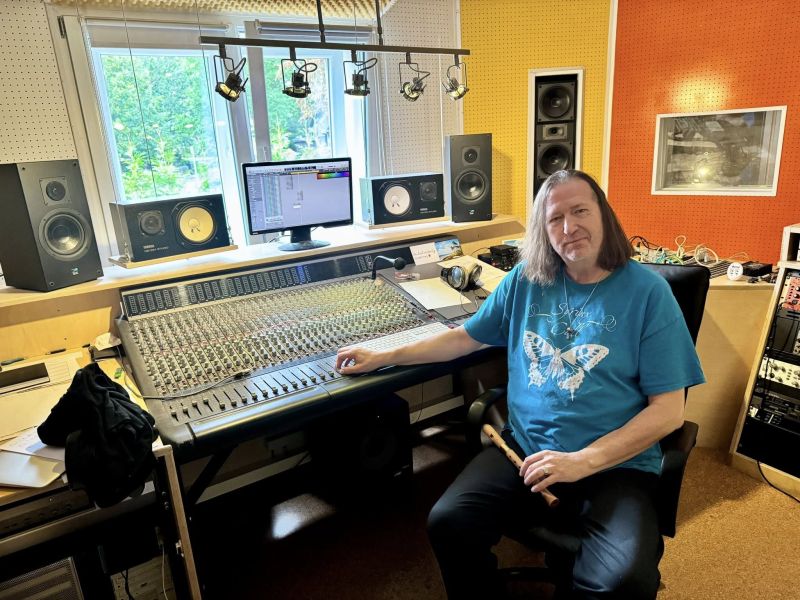
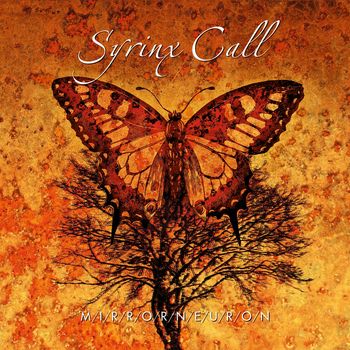
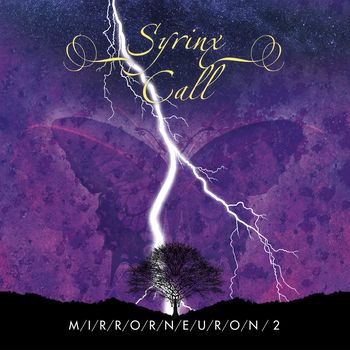
Volker: "Jens is incredibly important! Without him, Syrinx Call wouldn't exist, even though my recorders are the project's flagship and unique selling point. Jens' production methods, his compositional and musical abilities are truly exceptional! I'm very happy to have him as a friend, and to collaborate with him repeatedly." Undoubtedly your wife Doris Packbiers plays a significant role as well. She wrote the story and did some of the vocal parts. Could you imagine recording an album without her? Volker: "Doris has, like Isgaard, a unique voice. She is an integral part of Syrinx Call's sound and concept. Without her, the music would lack a crucial element. Ultimately, everyone is replaceable to some extent, but that inevitably changes the music and the sound. And that's something I absolutely don't want for Syrinx Call!" You played on several different recorders. The sound of it is especially important for the overall sound of the album, and unique for prog rock albums. Do you agree? Volker: "Yes I do, absolutely! That's what's so interesting about Syrinx Call. We want to prove with our music that the recorder is capable of more than just playing an important role in classical or folk music. I'm now making the music I've always dreamed of being able to realize one day." Has the image of a butterfly on the cover of both Mirrorneuron albums a special meaning? Doris: "The butterfly reflects itself in such a beautiful way that we wanted to use it to create a connection to mirror neurons. Furthermore, the butterfly symbolizes metamorphosis, which takes place to a greater or lesser extent in Mara and Kai, both characters in the story." |
|
|
| Mirrorneuron | Mirrorneuron2 |
|
Who made the beautiful album covers that seem to be interconnected? The cover on Mirrorneuron changes from orange on the front to purple on the back. The colour purple returns on Mirrorneuron 2 on the cover to orange on the back. Volker: "That's true, you're right. My friend Michael Narten from Hanover is responsible for the covers. He also does the graphic designs for Eloy. Michael chose the tree that appears repeatedly on the covers as the central theme for Syrinx Call. The tree stands for wood, and my recorders are woodwinds! Undoubtedly, Michael is one of the most outstanding graphic designers in the music scene. I always enjoy his excellent artwork for our albums."
Volker: "We experience what many other artists do: if you're not paying attention during a production, you'll never finish! At some point, you have to say: now it is complete and it should be released. Of course, occasionally there are some parts where you think in retrospect: I would have played that a little differently now or I would give the album a different sound. But these are normal processes that every musician, painter, or writer encounters in their artistic work." Do you intend to perform the music of both Mirrorneuron albums live on stage? Volker: "The music is simply too complex and elaborately produced to tour with. It would be a huge undertaking, also financially, which we're currently hesitant to do." Do you want to release a third Mirrorneuron album? Volker: "No, the Mirrorneuron project has been completed with these two albums. However, we already have a great idea for the next concept album, which will take a completely different direction. We won't reveal any more at this point..." Thanks for answering my questions and good luck with your musical career! Doris and Volker: "With pleasure! We were happy to work with you!" Website bandcamp review album 'Mirrorneuron' review album 'Mirrorneuron2' |