|
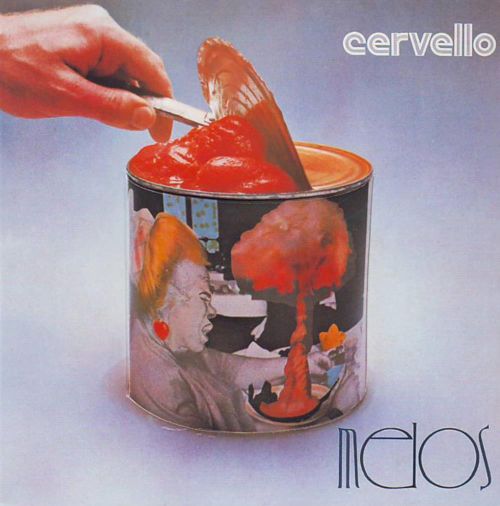
Interview Corrado Rustici (Cervello) "We never imagined we would get together again" (January 2026, text Henri Strik, edited by Peter Willemsen, pictures provided by the band) Most bands that ever broke up felt later the need to reunite. It probably happens all over the world, but in Italy it's quite common. Take for instance the band Cervello. They released in 1973 only one album called Melos. After a short-lived reunion in 2017, they've also reunited once again, and they released a brand-new album called Chaire & Live At Pomigliano D'Arco 1973 featuring their late singer Gianluigi DiFranco. The album contains recordings from 1974 and 1983. It also contains old live recordings from 1973. The editorial staff of Background Magazine was rather curious to find out how this all came about, so we asked original guitarist and founder Corrado Rustici.
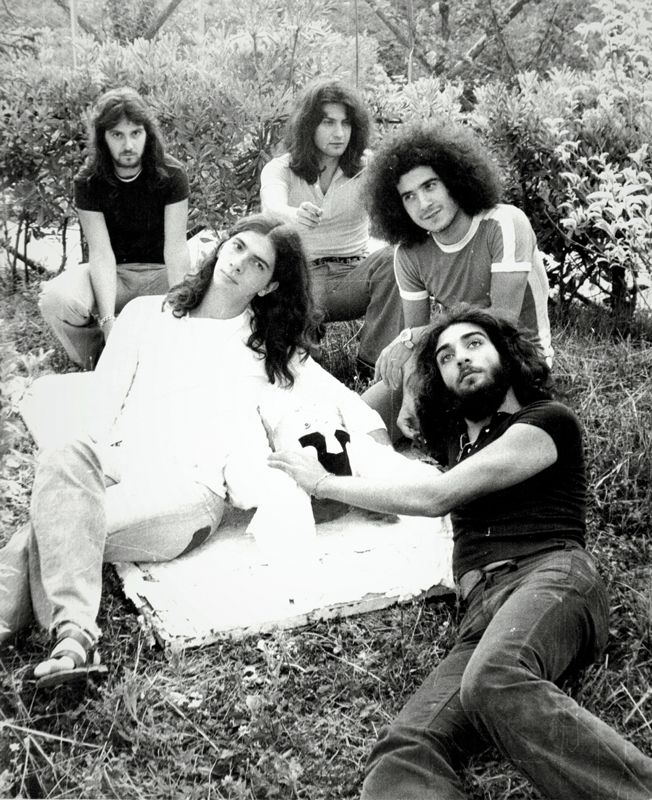
"Of course I will. The band formed in 1971. At that time, Naples was buzzing with incredible musicians and had a vibrant music scene, influenced by traditional Neapolitan music, British bands, and American nightclubs, which were especially popular among musicians. I met Giulio D'Ambrosio, the band's flautist and saxophonist, while I was attending art school and he was studying at the Naples Conservatory Of Music. Together, we later connected with bassist Antonio Spagnolo, drummer Pino Prota who was later replaced by Remigio Esposito. We had Renato Lori as our lead singer, who was replaced by Gianluigi DiFranco. After a year of daily rehearsals, we were signed by the Ricordi Label which has now been incorporated by Sony. Then we recorded our debut album Melos." Why did you release only one album? "After the release of Melos, we toured for a few months, and I began writing and recording ideas for the next album together with Gianluigi. We had a lack of support, and some band members wanted to add a keyboard player, with which I did not agree. So, the band began to have disagreements about the musical direction, and we eventually disbanded." Which bands influenced you back in the seventies? "For me, the biggest influences at that time were bands like Gentle Giant, Van der Graaf Generator, Genesis, and the Mahavishnu Orchestra, while other bands such as Jethro Tull and Emerson, Lake & Palmer were also very present in our imagination." Did the three founding members always stay in contact through the years, and what did you do after the band broke up?
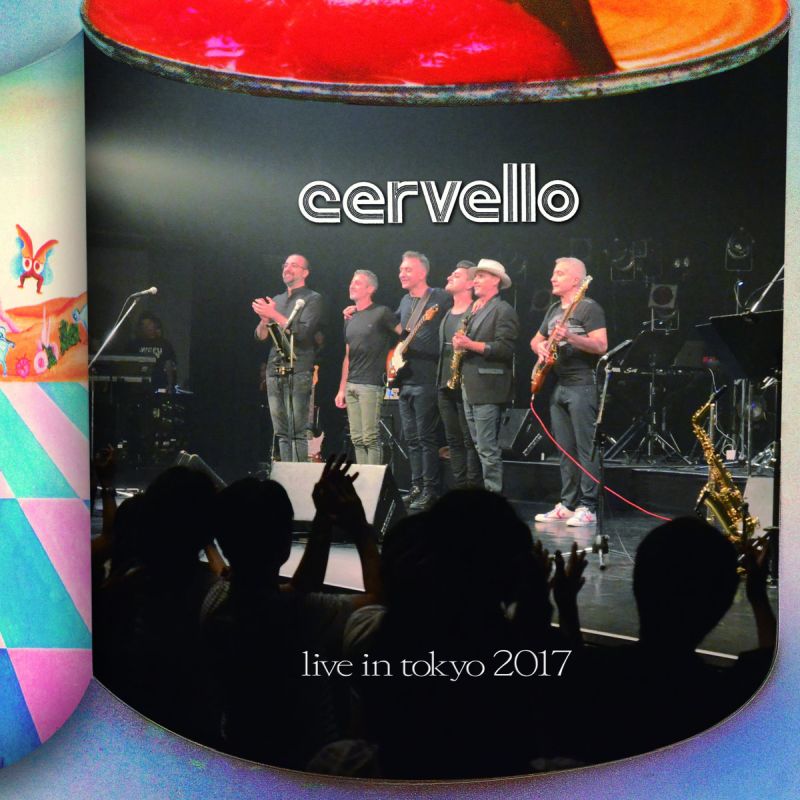
Live In Tokyo 2017 was released in 2017 for a short-lived reunion. Why didn't you continue as a band and release more studio albums? "The live concert in Tokyo in 2017 was a one-off event, put together mainly to fulfil the wish of a Japanese promotor, who loved the band and wanted to see us perform. It wasn't easy to organize, as we hadn't played together for nearly forty years. However, we managed, and we were quite satisfied with the result. As for the second part of your question: we were all deeply involved in our successful careers and never imagined we would get together again." Who came with the idea to dig out the songs that were written between 1974 and 1983 to use them for a new studio album? "The Tokyo concert gave us the opportunity to talk about the ideas I had recorded in 1974, and we decided to give it a try and see if we could bring them back to life." You spent four years working on the songs to get them ready for the new album. You used the vocals of the original lead singer Gianluigi Di Franco. How difficult was it to use his vocal parts again, and how did you manage to get everything together in the end resulting in the new album? "It was an exceedingly difficult and a labour-intensive process. After we arranged and recorded the songs, I had to use several software tools to extract all of Gianluigi's vocals from two-track analogue recordings and cassette tapes. After that, I had to assemble his different performances and versions of the songs, which often had different tempos, different keys, and sometimes even different chord progressions. Once I had the final performances, I used machine learning to recreate as much of the sound of his voice as possible and then used it to enhance his original performances." |
|
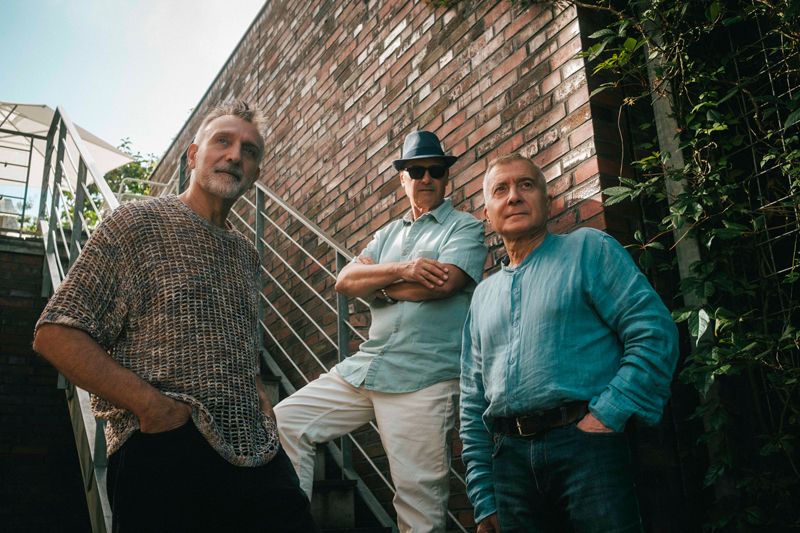
|
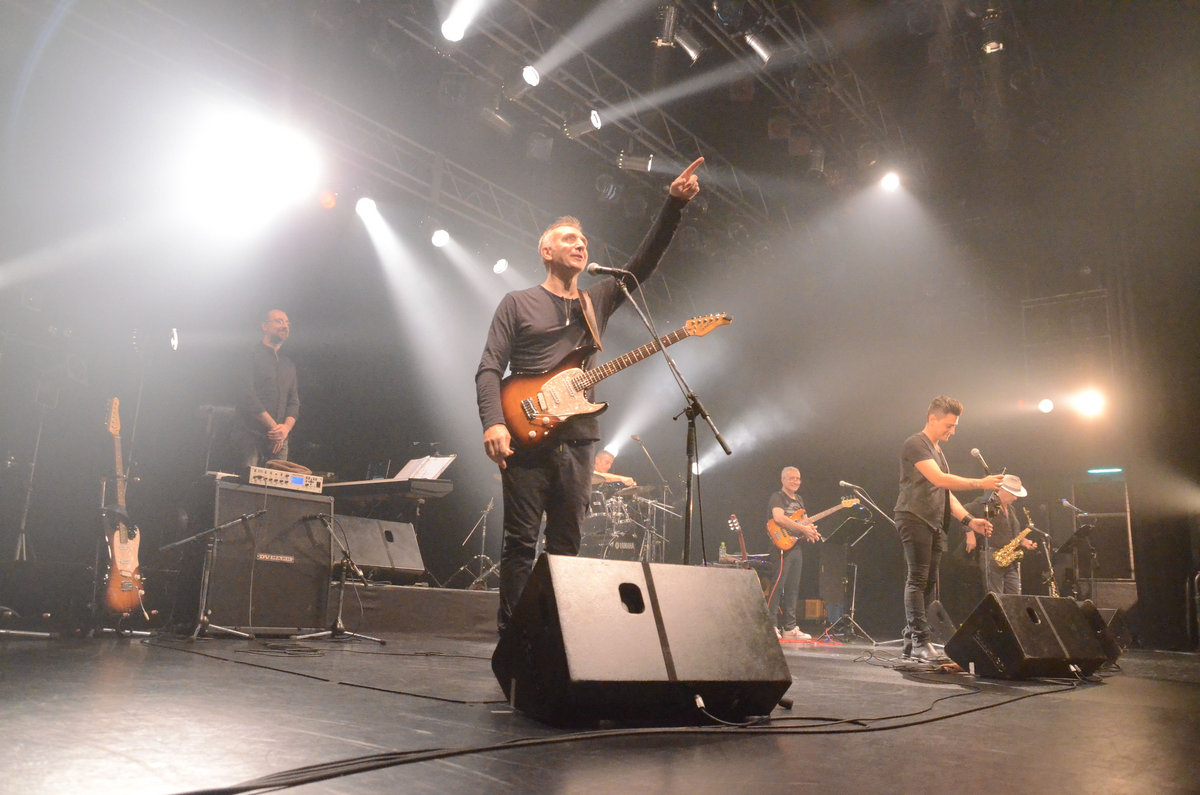
|
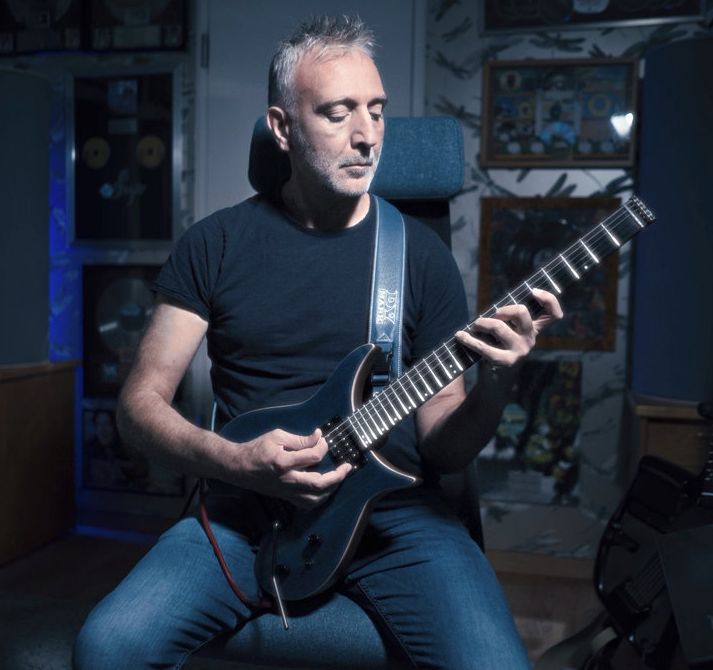
| Cervello in 1970 | Cervello in 2009 | Live in Tokyo 2017 |
|
Remigio Esposito did the drum parts on Melos. What happened to him and how did you find the new drummer Roberto Porta? "Unfortunately, Remigio passed away many years ago. Roberto played on my most recent November tour, and I felt he would be the perfect drummer for this project." The album also includes Live At Pomigliano D'Arco 1973. Why did you use this recording as well and how did you get the bootleg sound like a regular recording?
How did you get Sony Music interested in releasing the album. Did you contact other labels as well? "We contacted only one other label, and Sony responded positively and with great enthusiasm, which made us decide to release the album with them." You made a video for Templi Acherontei. Who was responsible for it? "The lyric video for Templi Acherontei was created by Wayne Joyner, a very talented videographer from Atlanta who has worked extensively with Dream Theater and many other artists."
"We are considering it, as we have been receiving several inquiries. We'll see if it makes sense to put a tour together. We would, of course, be very happy to do so." At the same time, you also released a remastered version of Melos. How did this happen? "That was one of my requests to Sony, because I wanted the album to sound as good as possible, and I didn't like what I had heard over the years..." Are you going to write new material for a next studio album as well? "That's the million-dollar question... I honestly don't know right now." What are the plans for the future? "As far as I'm concerned, I feel free from what I once understood musically. I would like to keep exploring new musical boundaries, as far away as possible from the disastrous landscape of contemporary popular music." Thanks for answering my questions! "You're very welcome! It was a pleasure!" Website Wikipedia review album 'Chaire & Live at Pomigliano D'Arco 1973' |